+90 554 128 90 95 [email protected]

Sector Application

Chemical Industry
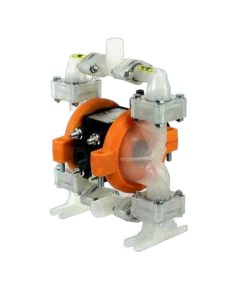
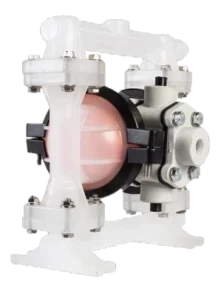
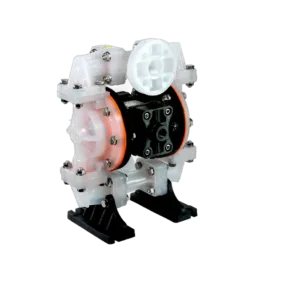
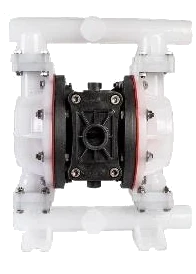
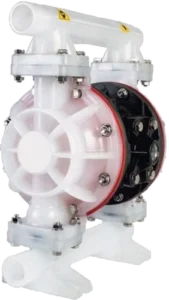
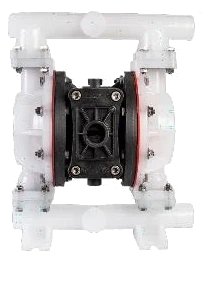
Diaphragm Pump

Air diaphragm pump solutions for acids, solvents and corrosive chemicals.

  • Chemistry & Petrochemicals
  • ATEX / Ex Certified
  • Acid & Solvent Compatible

Chemical Industry

Safe Transfer of Hazardous Fluids

Pump selection in the chemical industry should be made according to the chemical structure, temperature, viscosity and working pressure of the fluid being transported. Air diaphragm pumps are used safely in explosive atmospheres with their dry-running resistant structures and ATEX certified models.

Models with PP (polypropylene) and PVDF bodies provide excellent resistance to acid and alkali, while the PTFE diaphragm option offers long life operation against highly concentrated solvents.

  • Dry-run resistant - the pump protects itself
  • PP, PVDF, SS316L body options
  • ATEX Zone 1 & Zone 2 certified models
  • Suitable for viscous chemicals containing particles
  • Quick maintenance with easy disassembly and assembly

Advantages

Highlights for the Chemical Industry

Dry Operation

When the tank is empty, the pump protects itself and continues to operate without risk of failure.
ATEX Safety

Models certified for Zone 1 and Zone 2 explosive atmospheres are available.

Chemical Compatibility

Body and diaphragm material can be customized according to the fluid being transported.

Adjustable Flow Rate

Flow rate is easily adjusted by air pressure, no external control is required.

Frequently Asked Questions

Things to Consider When Choosing a Chemical Pump

PP body is sufficient for low and medium concentration sulfuric acid. For high concentration (>70%) PVDF body and PTFE diaphragm should be preferred and chemical compatibility table should be consulted.
In installations with an explosive gas or dust environment (ATEX Zone 0/1/2 and Zone 20/21/22), the ATEX directive requires the use of Ex-certified equipment. Pumpport's PA series offers ATEX certified models.
The higher the viscosity, the lower the pump flow rate. As a general rule, if the viscosity exceeds 500 cPs, select the higher flow class. Pumpport technical team offers viscosity based selection support.
In heavy chemical applications, diaphragm and ball valve seals should be checked every 500-1000 operating hours. Dry operation and sudden pressure changes shorten diaphragm life.

For Chemistry Practice

Let's Choose the Right Pump Together

Contact our technical team for chemical compatibility table, ATEX requirements and flow rate calculation.

Ask Price